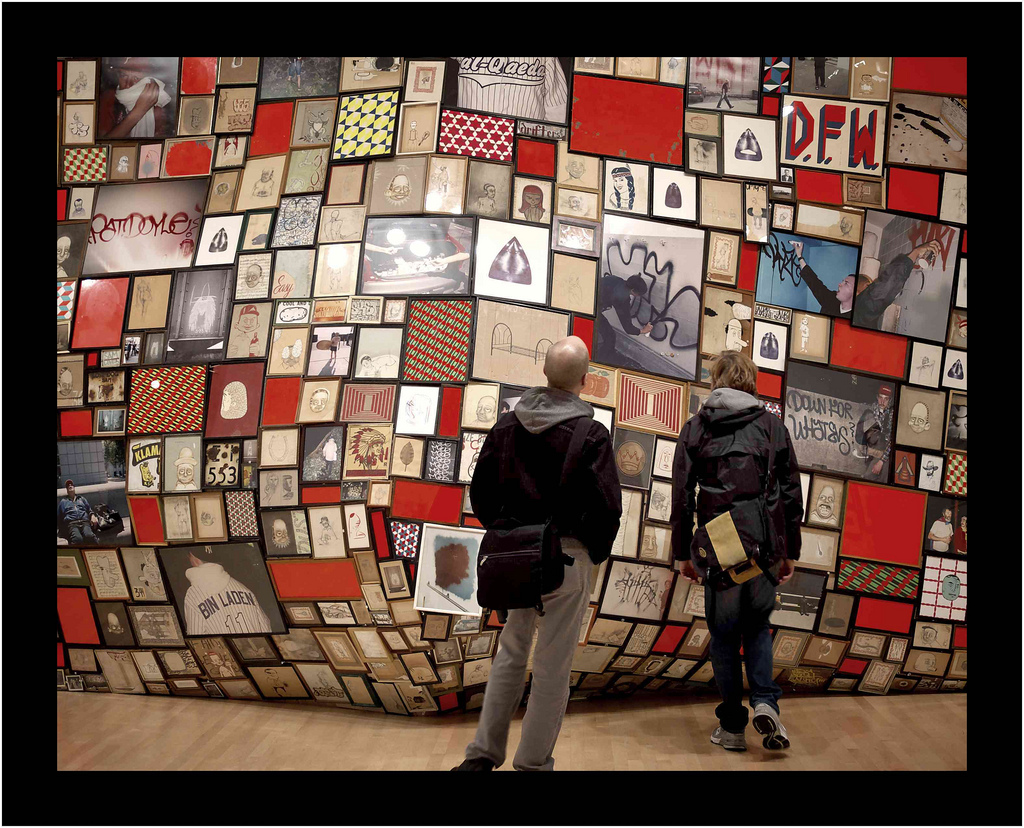
Culture 101: How to Get Art Smart

Photo: telmo32 on Flickr

According to a National Endowment for the Arts survey, nearly 40 percent of adults in the U.S. — or 81 million people — attended at least one arts activity in 2002.

But what about the rest of us? Often, newbies and neophytes think that the arts are created for richer, more educated or more refined folks than ourselves. That’s simply not true. Armed with a little knowledge and know-how, it’s easy to find something enjoyable in the arts for every taste or budget.

Where to start

Your newspaper’s Arts & Entertainment section or free weekly paper will be your best guide to local arts events, festivals and performances. Enjoy a particular venue, gallery or theater? Most have a mailing list or e-newsletter to inform patrons of upcoming shows; some even have special sneak-preview events for their members at discounted rates. Or, if you’re on a tight budget, volunteering a few hours of your time (especially at film and art festivals) can often be exchanged for a free ticket or two to your exhibition of choice.

Visual art

Can you tell a Pollock from a Picasso? There’s something innately rewarding about learning to identify the different schools of painting and individual artists — whether they’re Masters of the Renaissance, Realists or rising stars of the art world.

Public art galleries are a great place to begin your visual-arts education. Most towns, even small ones, have them. In addition, most have a “student night” or other free or discounted access.

Private galleries are always free, because they operate like retail stores — they assume that all who enter are prospective buyers. Most of the time, the staff are happy to chat and tell you about the artists, even if it’s obvious you don’t have a spare ten grand to pick up that limited-edition print in the corner.

However, if you’re shy about wandering in alone, you can always attend an opening instead. Dates and times are usually listed in the paper and on artist postcards at the gallery. Art openings equal free admission to free art (and sometimes free wine and snacks too) alongside the anonymity of being part of a crowd. Or, to make a night of it, look for your city’s designated “Art Walk” days, usually the first or last Thursday or Friday of every month. During art walks, galleries stay open for a few extra hours in the evening so that participants can enjoy numerous exhibits at their leisure.

If you are lucky enough to live near a local art college, it’s an ideal place to check out up-and-coming artists. Best of all, because they are just starting out, their artwork tends to have more affordable price tags for the aspiring art collector. Call or check the school’s Web site for show schedules. Also, colleges and universities often have art collections and/or galleries that are free to the public.

Classical music, dance & opera

Classical music, dance and opera can be intimidating for many reasons. Sometimes a little advance research on the storyline and background, especially with opera and ballet, can allow you to follow the performance more easily, thereby enhancing your enjoyment of the overall experience.

If you’re close to a school that offers a music, opera, ballet or other dance program, their calendar will be likely be filled with student recital times. Most days will offer a choice of lunchtime or evening performances, absolutely free. If you’re picky, watch for grad-student performances to see candidates that will soon be pursuing professional careers.

Orchestras and opera or ballet/dance companies often offer discounted seats to their dress rehearsals, usually to student groups and donors, but sometimes to the public as well. Usually, the dress rehearsal is exactly like the performance, with the exception of a few pauses for notes.

A live opera is the most costly type of musical production that exists (that is, other than the typical Rolling Stones concert). Bigger companies, as with operas and symphonies, will often also offer rush seats for those willing to stand in line. They’re usually offered at a big discount, making it worth the wait. If you’re lucky enough to live in or near a really big urban center, like Los Angeles or New York, you can often enjoy big productions last-minute (and on the cheap).

Theater & literature

Who can think of live theater without thinking of Broadway? Most cities have theater venues that promote large-scale, touring productions. In addition, many cities also have smaller, independent theater troupes (think off-off-Broadway) whose repertoires can range from original one-act plays to performance art to comedic antics that play off of the crowd. On a budget? Look for matinee performances or those that offer admission on a sliding scale.

An easy way to introduce yourself to new works of literature is to attend readings. Most authors go on tour to promote their latest tome, sign books and give free readings at bookstores across the country.

How about words and theatrics? Look for a poetry slam or open-mic night near you for a wild night of uncensored, competitive creativity onstage.

Educating yourself

If you’re still intimidated, then by all means, learn some of the basics at the library before you go to a show. Most public libraries have countless books, CDs, videos and DVDs that can serve as handy beginner’s guides to art, opera, dance, drama and theater. But remember, while knowledge can be helpful, the real key to understanding or appreciating art is to experience it first-hand.

Tiffany Owens is a freelance writer in Portland, Oregon.

This article originally appeared on Wine@MSN | December 2005
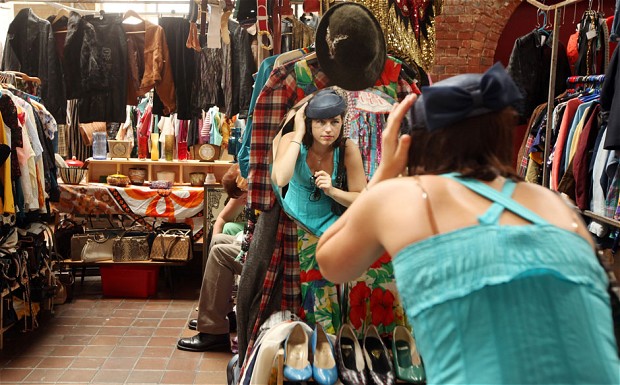
 

Past perfect: A decade-by-decade guide to wearing vintage clothing

Photo: GettyThere’s something compelling about a person in vintage clothing that goes far beyond the mere fashion statement. It’s a sense of distinctiveness and daring — stylish, but above the fickle whims of fashion.

Most people (like myself) find their way to vintage apparel out of a growing aversion to modern “cookie-cutter” mall clothes, or perhaps what’s all the rage this season just doesn’t flatter your body type so well. For those looking to give their wardrobe a boost of versatility and individuality, vintage apparel is the ultimate remedy.

Another notable reason to shop vintage is for the clothes’ superior quality and value, usually constructed in styles or fabrics no longer available, but still highly wearable or collectible. The average vintage item from 50 years ago is amazingly well-made compared to its modern equivalent. Beautiful, first-class styling and workmanship — especially for suits and evening wear — are quickly becoming a lost art. A custom-tailored suit can now run thousands of dollars, but a fine vintage suit can be had for a small fraction of the cost.

Vintage goes mainstream

A mere 25 years ago, vintage was still commonly viewed as the low-budget, funky uniform of the starving artist. But since around 1985, the popularity of vintage has grown exponentially as individual taste and comfort have become more important to the consumer than the latest fashion fad or trend.

Hollywood is no exception. Celebrities regularly wear vintage evening dresses on the red carpet and more and more contemporary designers are looking to decades past for inspiration. The savviest designers know that everything good in fashion always comes around again anyway; in fact, the most flattering styles from each period never really go away at all.

Shopping for vintage

I recommend starting out at a vintage-clothes shop, where you can try on a myriad of fashions across several decades to determine the best fit for your body. Once you’ve trained your eye to recognize your era of choice, then you’re ready to brave secondhand shops, flea markets, antique malls, thrift stores, estate sales or the vast number of online retailers to unearth your own vintage gems.

So what should you be looking for? I consulted some of the Web’s best vintage retailers — Don and Michelle Myers (rustyzipper.com), April Ainsworth (vintagevixen.com) and Carol Baker (dandelionvintage.com) — to give us a decade-by-decade scoop on what’s hot (and what’s not) in vintage apparel.

1950s
For him: rayon Hawaiian shirts; gabardine zip and leisure jackets; unusual mid- century print sport shirts; denim, jackets and workwear (’50s or earlier) by Levi’s, Lee and Wrangler; and dress hats, especially high-quality felts and Panama or porkpie-style.

For her: cocktail and sun dresses; “wiggle” and bombshell halter dresses; full and flared skirts in crisp silks and taffetas; haute-quality business wear; peasant blouses and sequined Mexican fiesta skirts for the “Lolita” look; cashmere and beaded sweaters; svelte millinery or vintage gloves; classic, tailored peplum jackets by Lilli Ann and Irene; narrow pencil skirts; and structured leather handbags, especially reptile or alligator.

Avoid: poodle skirts, neck scarves, saddle shoes.
Hot ’50s labels: Dior, Worth, Chanel, Lilli Ann, Schiaparelli, Balenciaga, Givenchy.

1960s

For him: leather bomber and motorcycle jackets (think Marlon Brando in The Wild Ones); Nehru, mohair or Rat Pack sharkskin suits; tailored, embroidered cowboy shirts, especially N. Turk, Nudie and Manuel; vintage Western boots and hats.

For her: chic chemise, shift or sheath dresses (particularly for that perfect “little black dress”) in natural-looking synthetics; pedal pushers or cropped pants; lingerie, especially “Pucci for Formfit Rogers” slips and nighties; mod mini and A-line dresses; mid-calf to knee-high boots; animal print hats and coats; Jackie O-style boxy suits; cutting-edge separates or dresses from Quants Bazaar, Jax, Birdcage, Biba; scarves and accessories by Pucci or Peter Max in Art Nouveau and Art Deco patterns and prints; suede jackets.

Avoid: ponchos, overly jarring color combos (like orange/kelly green or hot pink/royal blue) and oddly cut Empire-waist evening wear.

Hot ’60s labels: Pucci, Givenchy, Rudi Gernreich, Mary Quant, Courreges, Cardin, Dior, Yves Saint Laurent.

1970s

For him: T-shirts with old brand or business logos; trucker hats; disco shirts, especially engineered or photo prints.

For her: jersey-knit wrap dresses; “bohemian” gauze and muslin tops; edgy punk-inspired clothing trimmed with slits, safety pins, chains and zippers; strappy evening or platform shoes; embroidered ethnic wear; well-made leather jackets and coats; knit casual shirts; corduroy pants; hippie handbags; and casual pantsuits (think the original Charlie’s Angels).

Avoid: obvious polyesters or caftans (unless you’re going to a costume party!). Make sure you notice the cut of ’70s pants as you shop and buy according to your shape — they run from a high natural waist to low-slung hip huggers.

Hot ’70s labels: Yves Saint Laurent, Diane Von Furstenberg, Halston, Fiorucci, Famolare, Bill Blass, Bob Mackie.

1980s

For him: embroidered rayon bowling shirts; team uniforms and jerseys; Izod alligator polo shirts by Lacoste.

For her: fluid jersey cocktail dresses; textured knits and weaves in casual tops and sweaters (especially handwoven or handknitted); Louis Vuitton, Chanel and Gucci handbags and accessories.

Avoid: shoulder pads, legwarmers, acid-washed jeans, oversized (to the knee) and large-patterned sweaters.

Hot ’80s labels: Oscar De La Renta, Galanos, Lacoste, Ralph Lauren, Calvin Klein, Armani, Ferragamo, Chanel, North Beach Leather, (early) Betsey Johnson.

1990s

For him: skateboard clothing, Doc Martens and Dickies workwear.

For her: Designer accessories, sheer burnout velvet or chiffon tops.

Avoid: pashmina stoles, fleece.

Hot ’90s labels: Calvin Klein, Donna Karan/DKNY, Gaultier, Todd Oldham, Chanel, Versace, Vivienne Westwood.

Tiffany Owens is a Portland, Ore.-based freelance writer and obsessive collector of vintage coats, boots and purses.

This article originally appeared on Wine@MSN.com | August 2005